

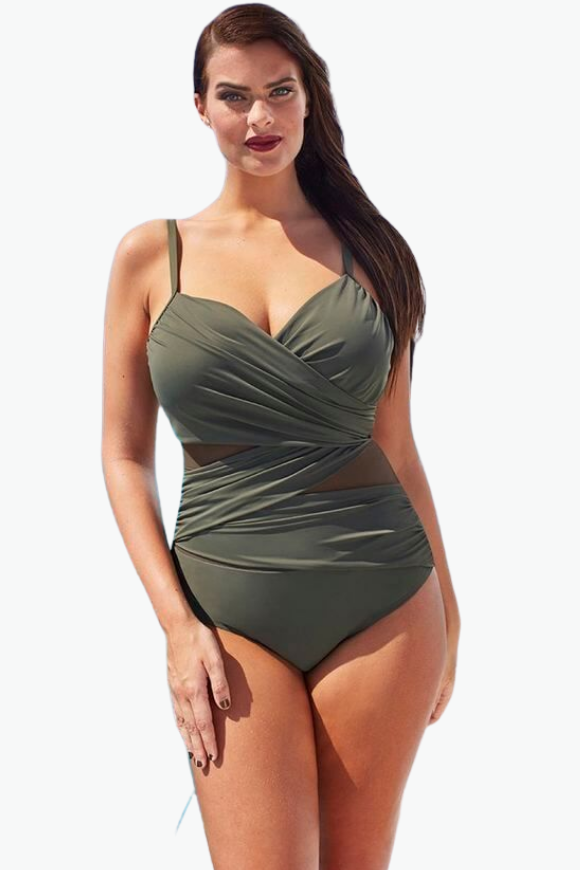
Before putting swimwear away after summer, clean and dry each item according to its care instructions, check its condition and decide whether one outfit should remain accessible. If you swim indoors or have later travel planned, packing every swimsuit into long-term storage can create an unnecessary search.
September is a useful review point, not a universal end to swimming. Base the decision on your actual plans and climate rather than assuming the whole wardrobe must change on one date.
Review what you actually wore
Separate favorite pieces from those you avoided. Ask why the unused items stayed in the drawer: unfamiliar fit, a fastening you disliked, insufficient coverage for your preference or simply no suitable occasion.
Try on clean items you intend to keep. Inspect seams, straps, closures and lining, and look for damaged or stretched areas. A swimsuit that has become uncomfortable should not be stored as your dependable backup without addressing the problem.
For example, keeping a suit only because its print is attractive can lead to the same frustration on the next trip. Record what did not work before shopping for a replacement.
Keep your next activity in mind
An occasional indoor pool visit, a holiday and a beach day may involve different practical needs. Check the venue's rules for your next planned activity and choose a suitable item you already know.
The Army Green One Piece Swimsuit and Tropical Blue One Piece Swimsuit are catalog options, not guarantees of suitability for every swimming setting. Look at the chosen product's actual construction and size information.
Leave the selected swimsuit with the other clean items you need for that activity. Keep it separate from damp-use bags or equipment that still requires cleaning.
Follow the garment, not a universal wash recipe
Read the care label for each piece. Trims, lining and construction can mean two visually similar swimsuits need different treatment. Avoid copying instructions from an unrelated product page.
Check pockets or removable components if the garment has them, and follow the manufacturer's directions for handling those parts. Do not improvise bleaching, soaking or heat treatments to solve an unfamiliar mark.
Let everything dry fully before storage. If the item still needs attention, keep it in a clearly identified place rather than folding it among ready-to-wear pieces. A closed container is not a drying method.
Store with enough information to find it again
Keep matching components together without compressing them unnecessarily. A note such as “pool-ready one-piece” is more useful than a box labeled only “summer.” Store the remaining pieces in conditions appropriate to their care instructions.
If a replacement is needed, write a specific request: a different closure, coverage preference or confirmed measurement. Avoid treating last season's letter size as a guarantee across different listings.
Finish by leaving one suitable set ready for the next real use. The best seasonal reset does not erase swimming from your calendar; it makes the next visit easier while keeping the rest of the wardrobe organized and honestly assessed.
For the related basics, read our guide to swimsuit measurements and coverage preferences.